

Buried in fear: the history of vampire beliefs
Step into an academic digital exhibit exploring how eighteenth- and nineteenth-century Europe navigated mysterious deaths, religious fervor, and folklore through the specter of the undead.
Exhibit galleries
Discover how folklore, pre-modern medicine, and religious hysteria converged to create one of humanity's most enduring mythological figures across historic European communities.

Apotropaic burial rites
Examine archaeological findings of iron sickles, brick placements, and staked graves used to prevent the dead from rising.

Primary sources
Explore eighteenth-century official military reports, clerical treatises, and court testimonies documenting vampire panics.

Folklore & faith
Analyze the role of ecclesiastical authorities and rural folklore in establishing protective wards and religious purifications.
When Fear Brought the Dead to Life
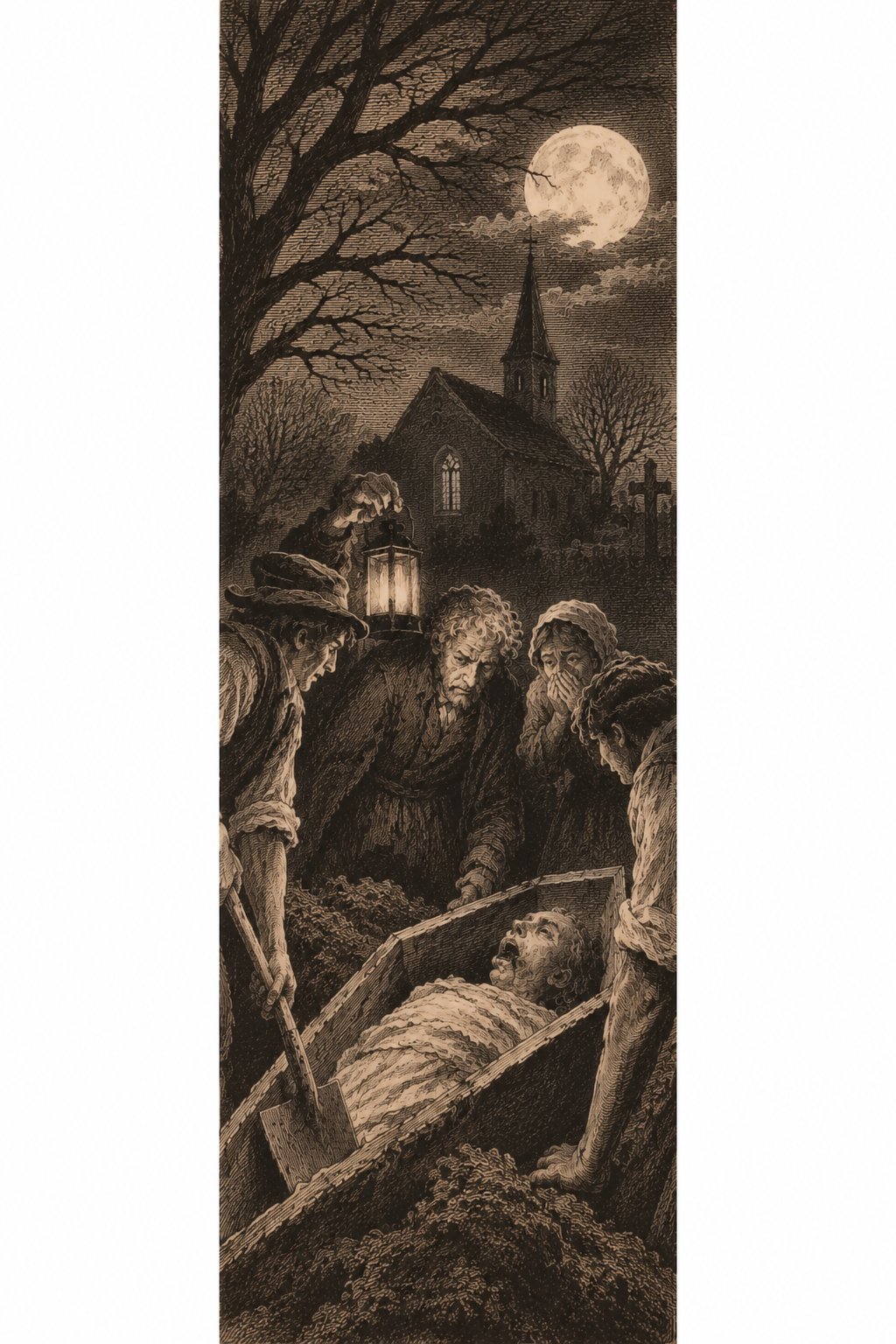
Imagine living in a small European village during the eighteenth century. A mysterious illness begins spreading, and several people die within a short period of time. When one of the bodies is later dug up, villagers discover blood around its mouth and a corpse that appears strangely well-preserved. Today, these observations might be explained by natural decomposition, but to people living at the time, they could suggest something much more terrifying: a vampire.
Today, vampires are mostly associated with fictional characters in movies and television. However, during the eighteenth and nineteenth centuries, some communities genuinely feared that the dead could return to harm the living. These beliefs were influenced by religion, folklore, and limited medical knowledge, which shaped how people understood mysterious deaths.
Scholars have explored why these beliefs developed and how they influenced people's actions. In Forensic Pathology and the European Vampire, Paul Barber explains how natural changes in decomposing bodies, including bloating and blood appearing around the mouth, could be mistaken for evidence of vampires. David Keyworth, in The Aetiology of Vampires and Revenants, examines how religious teachings and traditional beliefs shaped explanations of the undead. His research shows how theological debates and local folklore contributed to the persistence of vampire fears.
These beliefs also influenced how communities treated the dead. In Bioarcheological and Biocultural Evidence for the New England Vampire Folk Belief, Paul S. Sledzik and Nicholas Bellantoni examine a nineteenth-century Connecticut burial associated with vampire beliefs. Their research demonstrates how fears surrounding diseases such as tuberculosis could lead people to disturb graves in attempts to protect surviving family members.
This exhibit explores these ideas through historical documents, illustrations, and burial practices. Each artifact offers a different perspective on how people interpreted mysterious deaths and responded to the possibility that the dead could return. Rather than simply viewing these communities as superstitious, this exhibit encourages visitors to consider how their beliefs reflected the knowledge and traditions available to them.
By exploring the connections between religion, folklore, and medical uncertainty, visitors can better understand why vampire beliefs once seemed convincing. Ultimately, the history of vampires reveals something much larger than frightening stories: it shows how people attempt to explain death and protect themselves when faced with the unknown.
Create Your Own Website With Webador